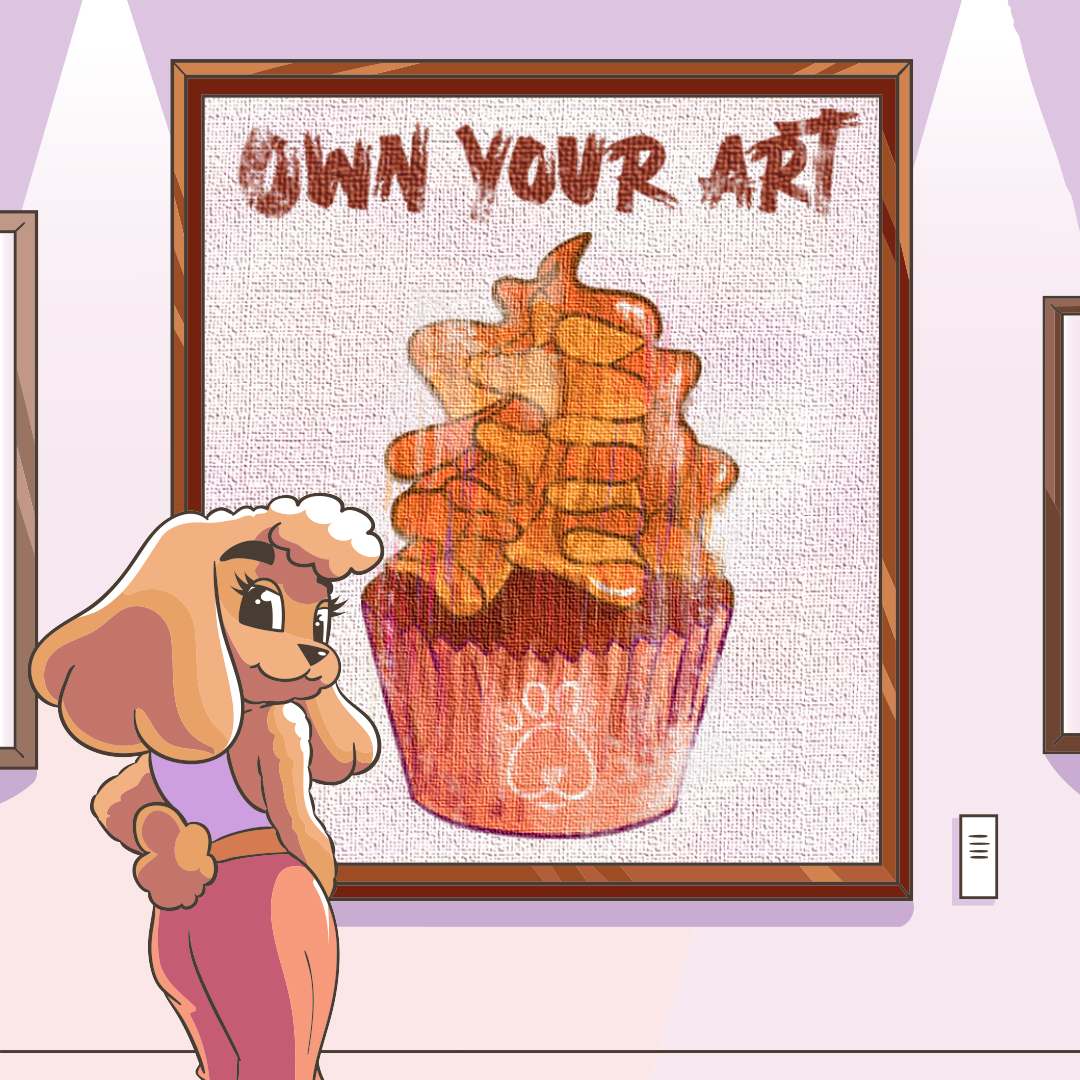

The next step in getting my financial shift in order, is creating a vision board. I’ll admit it. I haven’t done one in a while. And after the year we’ve had, I wasn’t sure that I felt like doing one this year.
But I chose to look at this financial vision board differently. I chose to turn my vision board into my first step into an investment. Investment in myself, my Sugar, my family, and my dreams.
The most important thing to note is investing in yourself is the biggest form of radical self-care. And investments take money. So, I decided to look at this vision board as the first part of my investment strategy.
In this blog post, I’m sharing how that approach turned my vision board from a bunch of pictures into a game plan.
5 Lessons in Financial Self-Care for Dog Moms
Here’s some truth about this financial shift. Money is linked to emotional wellness. In fact, 43% of Americans say money is negatively impacting their mental health. So, with this vision board self-care as it relates to money was very important. But first I had to come to grip with my money reality.
- No one’s coming to save you—but you can save yourself. There’s freedom in realizing that stability starts with you. Whether it’s setting up automatic savings or finally facing that subscription list, your peace grows every time you take initiative. Dog Mom parallel: You’d never wait for someone else to feed your dog; don’t wait for someone else to fund your peace.
- Silence is expensive. Ignoring bills, skipping vet appointments, or pretending a number in your account doesn’t exist only adds stress. Facing the truth (no matter how uncomfortable) creates clarity. Money mindfulness is self-care. It’s the difference between reacting and responding.
- Your goals need infrastructure. Soft life still requires structure. If your dream is to buy a home, start a business, or pay down debt, treat that dream like a real project. Break it into tasks, add deadlines, and measure progress. This is how you move from Pinterest vision to Pupcake Sugar plan.
- Preparation is a love language, for yourself and your dog. Insurance, savings, and estate planning aren’t just about emergencies; they’re about dignity. You’re not preparing for disaster, you’re protecting your joy, your dog, and your future stability.
- You can be soft and strategic at the same time. You don’t have to hustle 24/7 to be financially strong. Sometimes, self-care looks like resting so you can make clear decisions. Emotional regulation is part of financial regulation.

How to Create a Financial Vision Board (Step-by-Step)
I decided to create my vision board at home. I skipped the vision board party. The TV was off, and I put away my phone. There were zero distractions. Just me with Sugar chillin’ on the couch. I needed space to think through how I wanted my “investment” to grow. And I couldn’t do that if I was checking my phone every time I heard it ding. A vision board shouldn’t just look good, it should be a clear visual of what you want to achieve. Here are the steps I used to complete my vision board.
Step 1: Create Investment Goals
Choose 2 or 3 major goals you’d like to achieve within the year. These goals should be investments in yourself.
Step 2: Visualize Your Financial Reality
Don’t only post dream mansions or luxury vacations. Add photos that represent attainable milestones—like a home office corner that fits your current space or an image of someone budgeting with coffee and calm energy. This keeps your board believable and achievable.
Step 3: Add Money Touchpoints & Budget Goals
-
A photo of your dream neighborhood → Write your target home budget beneath it.
-
A travel image → List the monthly savings goal that will fund it.
-
A quote about abundance → Add a reminder: “Review spending audit monthly.”
Step 4: Keep Your Vision Board Interactive
Your board should evolve as you do. Add receipts of progress, like a “paid in full” sticky note or your dog’s new insurance policy. Seeing proof of movement builds motivation.

Dog Mom Math Rule #4: Vision Boards as Investments
I know math isn’t the first thing we think about when we are doing a vision board. However, creating a vision board aligns to Dog Mom Math Rule #4: “Big purchases pay for themselves over time.”
Vision boards usually include big goals. Achieving those big goals takes planning and often money. Since I’m looking at this financial vision board as an investment, I aligned the following questions to my investment plan.
-
How will I manage my money and time to pay for this investment?
-
What habits can I create to grow my investment?
-
What small systems can I set up today to make the investment sustainable?
Now don’t get me wrong. I don’t have all the answers on how I’m going to achieve everything on my vision board. But at least I have a plan that I can adjust as needed.
Turning Your Vision Board into a Game Plan
Working on my vision board for the first time in years was fun. Looking at my vision board as an initial investment helped my board turn out a lot nicer. I knew what pictures I was looking for and what words I wanted to stick on the board. It also figured out how to include Sugar in the mix.
So, my vision board became more than a bunch of pictures of wishes plastered on my wall. It’s a game plan.
Now we’d love to hear from you. Are you doing a vision board this year? What’s your vision board process?
Let’s continue the conversation “after bark.” Sign up for our P. S. After Bark newsletter to talk your shift and all things dog mom lifestyle.
Stay connected and share your stories with us @pupcakesugar.